
Remembering the God Who Provides
/
There is a remarkably effective way to make running water seem miraculous: find your water valve and turn it off for an afternoon.
Suddenly, the kitchen tap becomes a much more impressive piece of equipment. Usually, we stand at the sink wondering why people can’t just clean their dishes and put them in the dishwasher—wait!
Those are mine….
Take the water away, and we remember what a gift it is.
Then the water comes back. We give thanks. And eventually, we go back to being annoyed about those dishes in the sink.
Whose dishes were those again….
Familiarity has a way of making blessings disappear into the background.
When considering thanksgiving and gratitude, what gives thanksgiving substance? And I’m not talking about Stove Top Stuffing.
How do we escape the snare of concentrating on the gifts we receive rather than the Gift Giver? How do we protect ourselves from the trap of self-reliance—the old “I did this” tendency. How do we balance grief with gratitude?
These are real issues we face during the holiday season. Scripture calls us to remember who God is and how He has cared for us.
In Deuteronomy 8, Moses prepares Israel to enter a good land. He describes water, food, homes, and resources for work. Then he warns them about the danger of forgetting God when life becomes comfortable.
Remember the gift. Remember the Giver.
Receive the good with gratitude
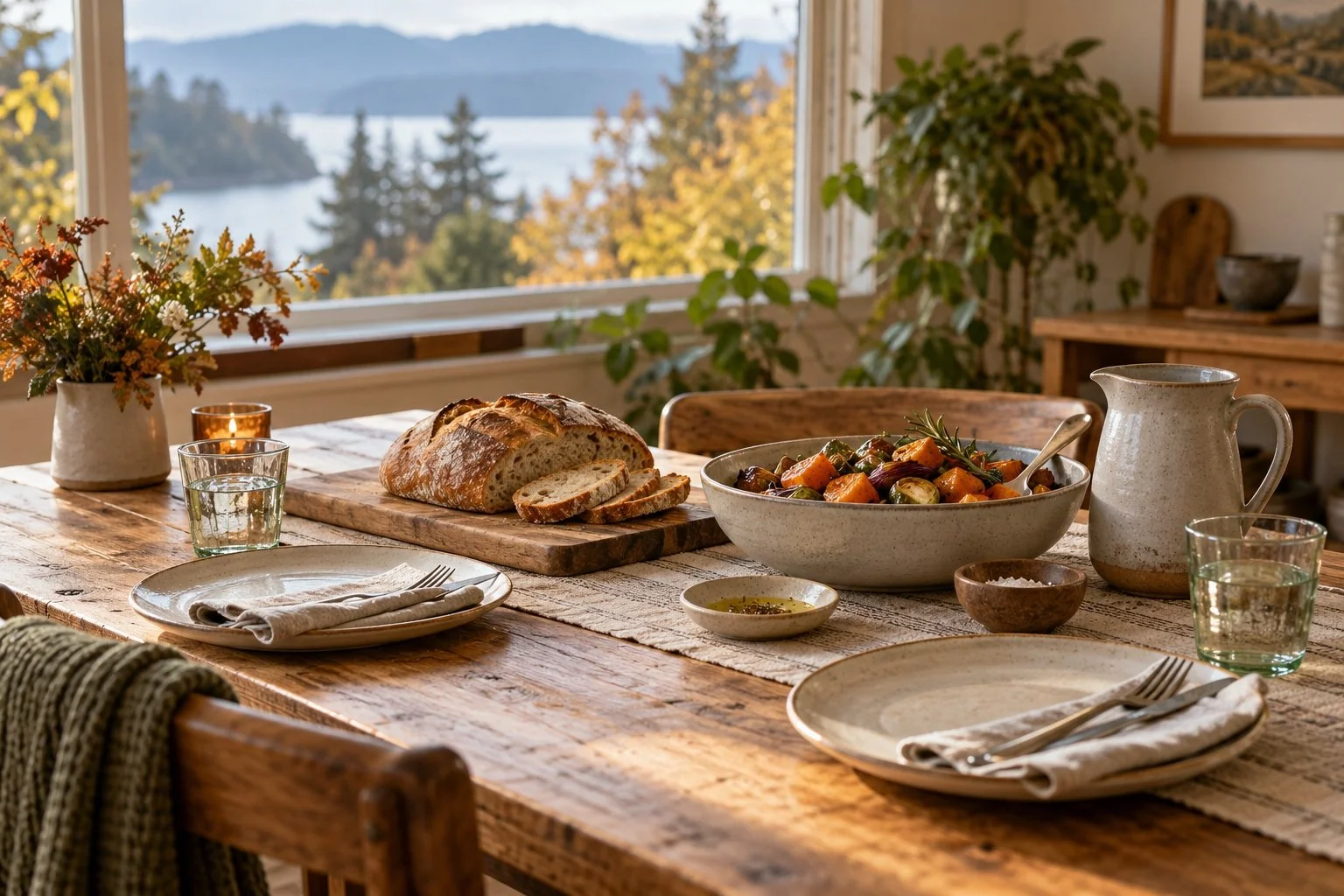
“And you shall eat and be full, and you shall bless the LORD your God for the good land he has given you.”
Notice how ordinary God's provision is: water, crops, fruit, bread. His goodness reaches into kitchens, gardens, and the work of daily life.
There is room to enjoy these gifts. A good meal, a place to rest, a friend who checks on us—these deserve more than a distracted nod on our way to the next concern.
James 1:17 directs our attention to God as the source of every good gift. Often, those gifts arrive through ordinary means: rain, soil, someone's labor, someone's kindness. Looking closely at a blessing helps us notice how much we have received.
Jesus says, “Blessed are the meek, for they shall inherit the earth” (Matthew 5:5). An inheritance is received. That gives us a helpful posture for gratitude: work diligently, hold things humbly, and remember that we depend on gifts we did not create.
When everything feels like something we must secure and sustain entirely by ourselves, even good things become burdens. Receiving them with thanksgiving gives us room to enjoy them and share them.
What good thing has become so familiar that you have stopped noticing it?
Watch what comfort can make you forget

“Take care lest you forget the LORD your God by not keeping his commandments…”
The progression Moses describes is unsettling: provision increases, the heart grows proud, and God is forgotten.
A full house and a full stomach do not automatically produce a grateful heart.
Forgetting here reaches beyond memory. It affects how people live. God's voice gradually stops shaping their decisions.
We can still attend church, believe the right things, and quietly adopt the posture, “I've got this. I'll call if I need assistance.” God becomes our emergency contact.
“911, what is your emergency?”
“Oh, yeah. Hey, so I might have overdrawn my bank account. Is there any way you could like miracle me up some quick cash?”
“Sir, we do not do cash loans. Hang up and call the proper non-emergency line. Perhaps your mother.”
“Sorry. I meant to call God….”
Jesus offers a different posture: “Blessed are the poor in spirit, for theirs is the kingdom of heaven” (Matthew 5:3). Poverty of spirit recognizes our continuing need for grace. We do not graduate from dependence when circumstances improve.
When life becomes easier, does prayer become less dependent? When something goes well, do we pause to thank God?
These questions help us examine the foundation of our peace. If everything rests on continued success, a setback threatens everything. Humble dependence gives us somewhere to bring our limitations before they become a crisis.
A full life still needs an open hand.
Remember the road God brought you through

Moses brings Israel's past into view: slavery, deliverance, wilderness, hunger, and water from the rock. Their story began long before the houses they would build. It included rescue they could never have accomplished themselves.
God sustained them through a journey that was genuinely hard.
Snakes.
Scorpions.
Hot sand in places you don’t want it.
We may not have to deal with snakes or scorpions on a daily basis, but we all have things that make life genuinely difficult. The psalmist teaches us to practice deliberate remembrance:
“Bless the LORD, O my soul, and forget not all his benefits…”
Psalm 103:1–5 names forgiveness, healing, redemption, steadfast love, mercy, and sustaining goodness. Our own remembrance should reach beyond material gains too. Think of reconciliation, strength to endure, courage to ask for help, or the friend who stayed when others left.
And leave room for grief.
Jesus says, “Blessed are those who mourn, for they shall be comforted” (Matthew 5:4). Gratitude can tell the truth about a painful road. Thanksgiving and lament can share the same prayer.
That’s a big one. We should pause on it for a moment.
Thanksgiving and lament can share the same prayer.
There are even people around us who are still waiting and cannot yet see how provision will come.
When people are sitting in the midst of lament, we can sit beside them, listen, and help carry their need. They should never have to identify a hidden blessing in every wound to receive our care.
Are you sitting in the midst of lament today, waiting for God to come through for you?
Don’t hide your pain from God. He can handle it. Give him your laments, remember what He has done for you in the past, and then give Him your hopes for the future.
Remembering past faithfulness gives us reasons to trust God today, while leaving tomorrow's timetable in His hands.
Who has helped carry you through a difficult season? Have you thanked God for them lately?
Give God the credit for the strength to work
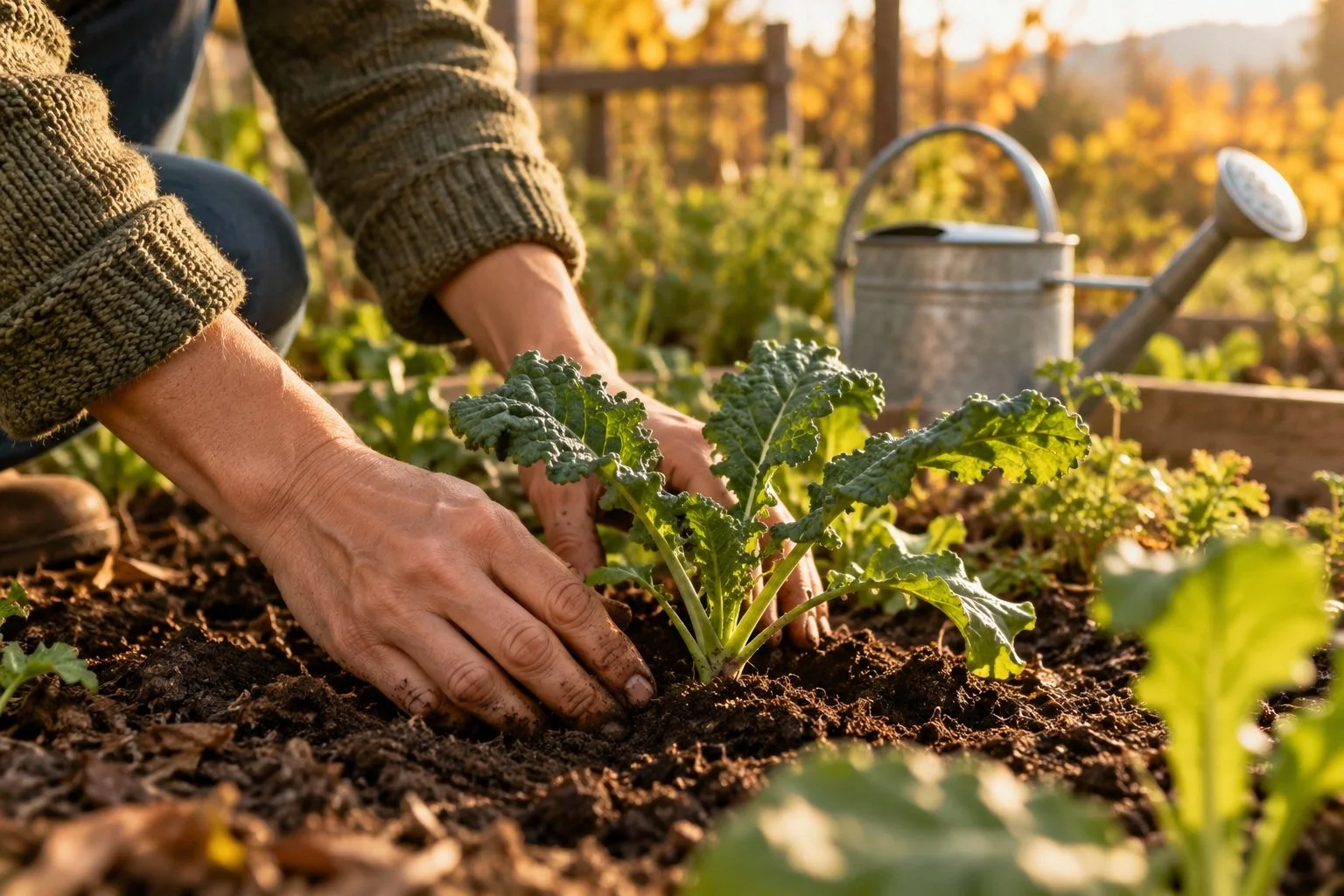
Moses warns Israel against saying:
“My power and the might of my hand have gotten me this wealth.”
Then Moses reaches behind the accomplishment to its source:
“You shall remember the LORD your God, for it is he who gives you power to get wealth…”
The people would still cultivate fields, build houses, and work. Their effort mattered. But so did the strength, opportunities, resources, and help they had received.
You may have worked very hard. Gratitude helps you see that hard work belongs within a larger story of God's provision.
We also need to keep the passage in context. Moses is speaking about God's covenant with Israel. This is no individual guarantee that faithful Christians will become wealthy. Financial hardship does not measure anyone's faith, gratitude, or place in God's love.
Jesus directs our desires toward righteousness in Matthew 5:6. That changes the questions we ask about what we have: How can I use this faithfully? Who could I help? What would generosity, honesty, or hospitality look like here?
We can work responsibly, receive help, and entrust outcomes to God.
We can take responsibility without claiming self-sufficiency.
Remember on purpose

This week, set aside ten quiet minutes. Write down five examples of God's faithfulness. Include ordinary gifts, mercy received, and people through whom help arrived.
Then add one present need. Let it remain unresolved on the page. Bring both the remembered gifts and the unfinished concern to God. Choose one response: thank someone, offer help, share a resource, or take a responsible next step.
Our deepest reason for gratitude is God's grace in Jesus Christ. Ephesians 2:8–10 reminds us that salvation is God's gift and that the good works we are called into follow His grace. Even our service begins with what we have received.
Perhaps life feels full today. Receive the good with joy. Perhaps life feels painfully thin. There is room for your lament and the help you cannot provide for yourself.
Gratitude will not make every anxious feeling disappear. But remembering whose care we live within helps us ask for what we need, give thanks for what we have received, and entrust tomorrow to God.
Gratitude remembers what self-sufficiency forgets: every good thing ultimately comes from God.

The Midweek Table is a weekly blog made available by The Local to help us continue to press into Jesus and His mission for our lives. It may be a recap of the discussion from the previous week’s Local table gathering. It may be thoughts to ponder and things to help us grow in our walk with Jesus.
Each week, The Local meets in various homes around a table to eat, worship, read and discuss the Bible, and pray for each other and our community. Living on mission is our response to the grace and love Jesus has shown us. We share the Gospel and show love to those we encounter where we live, learn, work, and play.
If you are new to reading The Midweek Table, welcome! I hope you decide to stay. If you have stumbled onto this blog somehow, and you have gotten something out of these words, please share it with me. You are welcome at our table.
For any inquiries, please contact: