
The Landscape of Peace: Finding Rest in the Sermon on the Mount
/
I have lived a relatively easy life. I came from a middle-class family with two parents that stayed together, had a home my entire childhood, and for the most part, had a good experience growing up. Some of my favorite memories of childhood, no matter where we lived across the U.S. or the world, are of Christmas. No matter how much money my parents made, they always made sure Christmas was a magical time of year. I feel extremely blessed because I realize that not every kid had that experience growing up. I didn’t grow up in a war-torn country. I didn’t grow wondering when my next meal would be. I didn’t grow up scared of being attacked or killed.
I say these things to offer some perspective on my experience with conflict. Most of the conflict I have dealt with, aside from the occasional relational conflict we all have to face, has been internal. Conflict with the warring sides of my “self.” The self that wants to do good fighting against the self that wants to be selfish or even dastardly! Internally, the dialogue goes, “Hmmm…today should I be known as reputable or notorious?” In Christian terms, this is a battle between the Spirit and the Flesh. Sometimes, this conflict is just tiring, and I long for the peace that Jesus offers. In my experience, the storm, whether it is external or internal, can only be weathered by abiding in Christ.
For The Local, our journey this year has revolved around a single, powerful focus: Peace. It is a gift we all desperately need in a chaotic world, and fortunately, Jesus did not leave us to figure it out on our own.
In the Sermon on the Mount, Jesus provides a complete roadmap for experiencing, cultivating, and reflecting the peace of God. By looking closely at the Beatitudes (Matthew 5) and the Lord’s Prayer (Matthew 6), we can see a beautiful progression from our internal posture to our external practice.
This perfectly aligns with our Word of the Year framework: Peace Known, Peace Grown, and Peace Shown. Let’s explore how Jesus invites us into this landscape of peace.
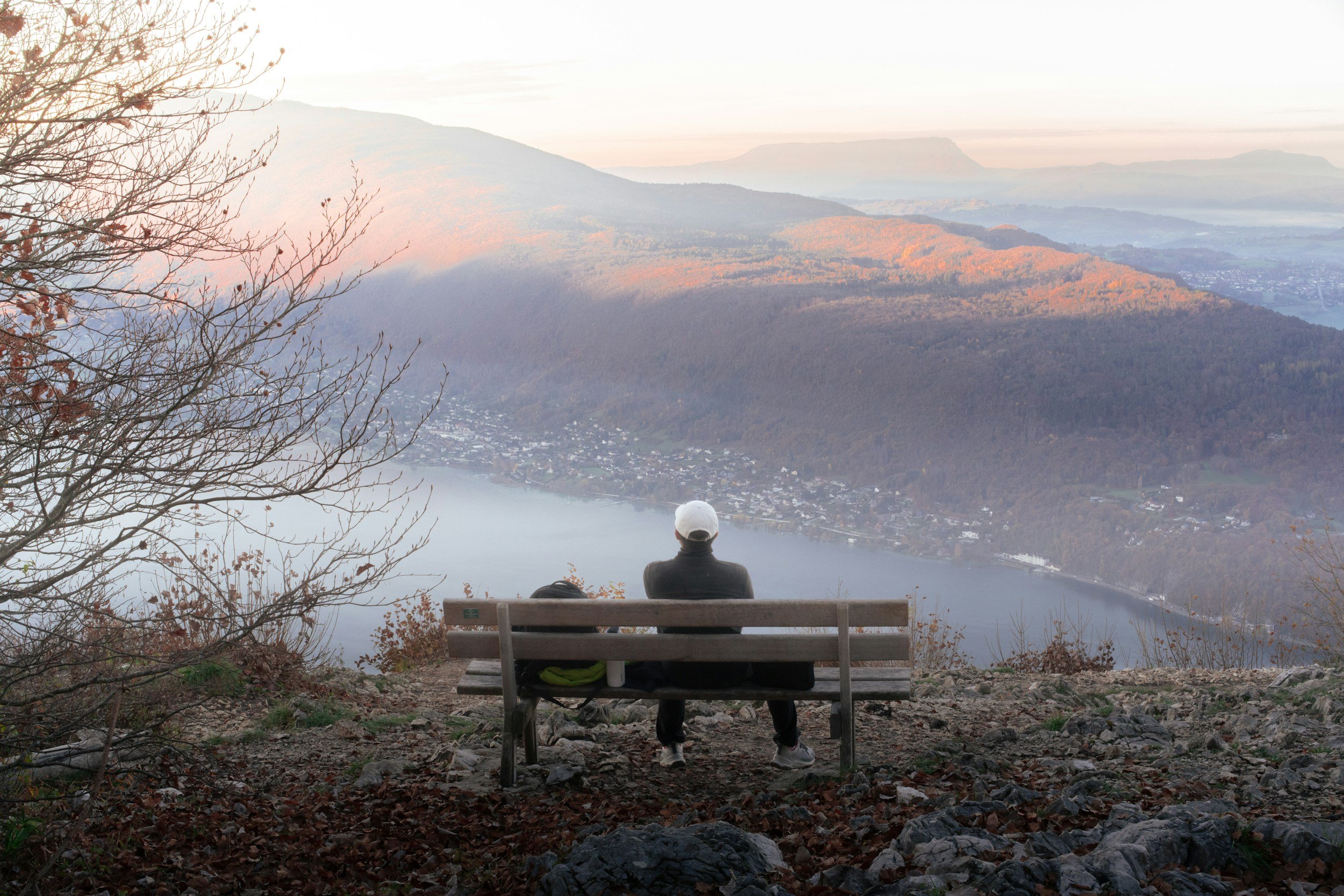
1. Peace Known (The Foundation)
Peace begins not by fixing our circumstances, but by discovering a baseline security rooted in our relationship with God. The truth is simple: we cannot model or pass on to others what we do not yet possess ourselves.
Acknowledging Our Need (Matthew 5:3-5): Jesus begins the Beatitudes by declaring that the "poor in spirit," those who "mourn," and the "meek" are blessed. True peace is known the moment we stop pretending we have it all together. When we acknowledge our spiritual bankruptcy, we open our hearts to receive the comfort and inheritance of the Kingdom. Peace is known in our total dependence on Him.
Resting in Our Identity (Matthew 6:9): In the Lord’s Prayer, Jesus invites us to pray, "Our Father in heaven, hallowed be your name." Peace is firmly established when we recognize God’s identity as both a loving, intimate Father and the sovereign, holy Ruler of the universe. Knowing we are securely held by a perfect Father grounds our souls.
2. Peace Grown (The Internal Transformation)
Once peace is received, it must take root in our hearts. This requires daily spiritual formation—a intentional shifting of our desires away from the anxieties of the world and toward the provisions of God.
Shifting Our Appetites (Matthew 5:6, 8): Jesus highlights those who "hunger and thirst for righteousness" and the "pure in heart." Peace grows as our internal desires change. When our hearts become undivided—focused on God’s righteousness rather than worldly validation—materialism and anxiety fade, leaving internal stillness in their place.
Surrendering Control (Matthew 6:10-11): We are taught to pray, "Your kingdom come, your will be done... Give us this day our daily bread." Peace grows through daily surrender and trust. By relinquishing our need for control and trusting God for our immediate, daily needs, we starve the worries of tomorrow and cultivate deep contentment today.
3. Peace Shown (The External Expression)
True biblical peace (shalom) is never stagnant. It is a dynamic force that flows outward, actively transforming our relationships, our community, and how we respond to conflict.
Stepping Into Broken Spaces (Matthew 5:7, 9-10): Jesus calls us to be "merciful," "peacemakers," and to endure being "persecuted for righteousness' sake." Peace is shown when we actively step into broken relationships and messy situations to bring reconciliation. Being a peacemaker is costly; it requires extending mercy when we want to demand justice, and choosing love even when met with hostility.
Extending Radical Grace (Matthew 6:12-13): We pray, "Forgive us our debts, as we also have forgiven our debtors... deliver us from evil." The ultimate test of peace shown is our willingness to forgive. We become conduits of God’s peace when we release others from their debts, breaking the cycle of retaliation and overcoming evil with grace.
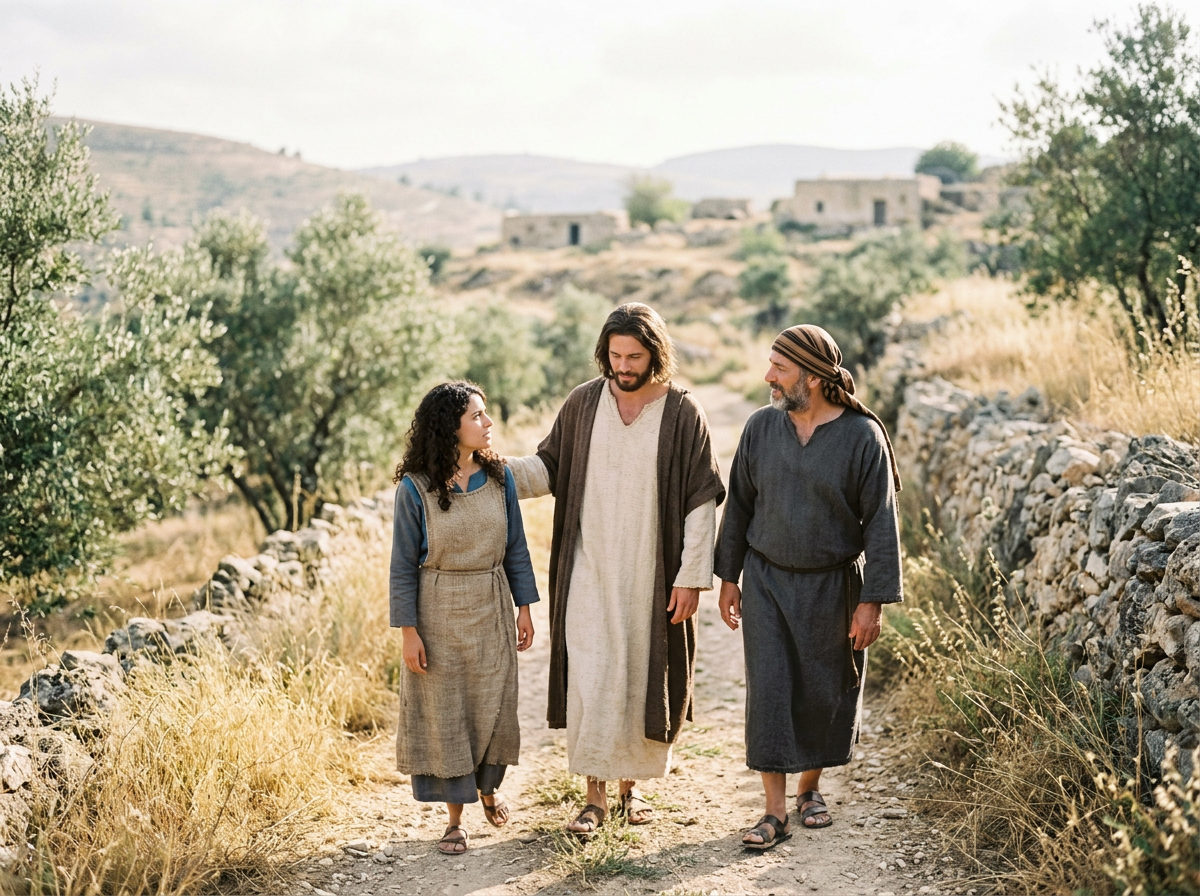
Walking Forward in Peace
Jesus invites us into a peace that passes all understanding—a peace that is known in the fatherhood of God, grown through daily surrender, and shown through a lifestyle of reconciliation. As we look at the week ahead, let's ask ourselves: Where is Jesus calling me to know His peace deeper, grow His peace internally, or show His peace to someone in need?
The Midweek Table is a weekly blog made available by The Local to help us continue to press into Jesus and His mission for our lives. It may be a recap of the discussion from the previous week’s Local table gathering. It may be thoughts to ponder and things to help us grow in our walk with Jesus. Hopefully, it is something that will bless you, the reader, and keep you coming back for more.
Each week, The Local meets in various homes around a table to eat, worship, read and discuss the Bible, and pray for each other and our community. Living on mission is our response to the grace and love Jesus has shown us. We share the Gospel and show love to those we encounter where we live, learn, work, and play. While this blog may give members of The Local a chance to review what we learned the previous Sunday, it may also gives folks who were unable to gather with us a chance to catch up on what we are learning and working on together.
If you are new to reading The Midweek Table, welcome! I hope you decide to stay. If you have stumbled onto this blog somehow, and you have gotten something out of these words, please share it with me. You are welcome at our table.
For any inquiries, please contact: